
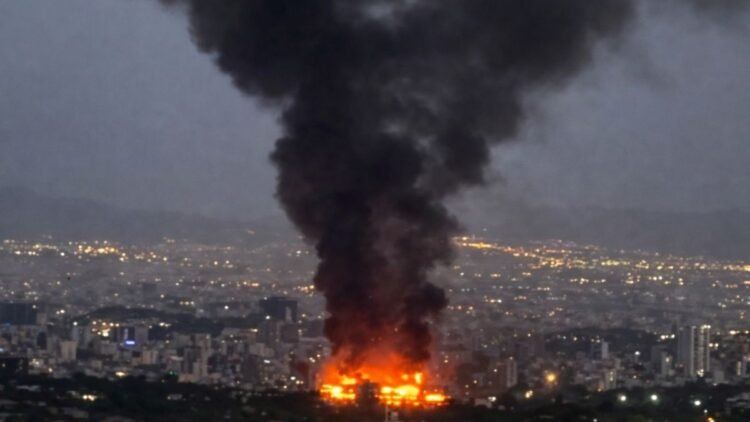
As the United States continues its military strikes on Iran, day two of the operation has sparked growing concerns, especially as casualties rise and questions about the strikes’ effectiveness and justification remain unanswered.
Americans are increasingly turning to online platforms to express their concerns and seek clarification on the ongoing strikes, as well as the broader geopolitical implications of the conflict.
Americans’ Uneasy Reaction to the Strikes
A growing number of Americans are expressing skepticism about the U.S.’s role in the conflict with Iran. With military action escalating, public approval of the operation has been lukewarm at best.
Many Americans are seeking a clearer understanding of the objectives behind the airstrikes, as well as the long-term strategy for Iran. While the situation remains fluid, some Americans are demanding to know what the ultimate goals of these strikes are and what the next steps will be.
Casualties and Military Scope
As the second day of the airstrikes unfolds, the human toll continues to mount. Among the casualties reported so far are three U.S. service members killed and five others seriously injured.
These losses have further intensified public concern, as citizens seek to understand the reasoning behind the escalation and whether it justifies the cost in both human lives and international stability.
Here is a table summarizing the reported figures:
| Category | Reported Figures |
|---|---|
| U.S. service members killed | 3 confirmed |
| U.S. service members seriously injured | 5 |
| American approval of strikes | 27% support, 43% oppose |
| Americans unsure or undecided | 29% |
These figures highlight the scale of the operation and the heavy toll it has already taken on American military personnel.
Why Are Americans Demanding Answers?
As the strikes continue, several critical questions are emerging across the American public:
1. What is the ultimate goal of the strikes?
Many Americans want clarity on the strategic objectives behind the ongoing military campaign. President Trump has framed the operation as a defensive move against perceived threats from Iran. However, the absence of a clear exit strategy has left many questioning whether the airstrikes will truly achieve lasting results or if they will merely exacerbate tensions in the region.
2. Are these strikes justified legally and ethically?
The legality and ethical implications of the strikes are at the forefront of the debate. Critics argue that the strikes risk civilian casualties and may violate international law, while supporters contend that they are necessary to protect American interests and deter Iranian aggression.
3. Could this trigger a wider regional war?
Another key concern among Americans is the potential for the conflict to escalate into a broader regional war. With Iran retaliating by launching missiles and drones at U.S. military bases, there is growing fear that the situation could spiral out of control, drawing in more countries and further destabilizing the Middle East.
Political and Social Divide Within the US
The ongoing strikes have highlighted a deep division within the United States. Public opinion is sharply split along political lines, with some supporters of the strikes viewing them as necessary to curb Iran’s regional influence, while others express concerns about the potential for a prolonged conflict.
The American public’s response reflects broader debates over the role of military force in U.S. foreign policy and the risks associated with intervention in foreign conflicts.
Public Concern Over Domestic Impact
In addition to international concerns, many Americans are also focused on the domestic consequences of the conflict. The rising energy prices and economic instability linked to Middle East tensions are already beginning to be felt by everyday Americans.
As the conflict continues, the financial toll may become a more significant issue for the public, leading to increased pressure on lawmakers to take a closer look at the long-term impacts of the strikes.
On day two of the U.S. strikes on Iran, Americans are demanding more answers as the situation unfolds. With casualties rising and public opinion divided, questions about the purpose, legality, and consequences of the military strikes remain central to the ongoing debate.
As the conflict continues, it will be crucial for the U.S. government to address these concerns and provide a clearer understanding of the strategic goals and potential risks involved. The outcome of this campaign will shape the future of U.S.-Iran relations and influence the broader geopolitical landscape.
FAQs
Are most Americans in favor of the US strikes on Iran?
No, public opinion is divided. Only around 27% of Americans support the strikes, while a significant portion disapproves or remains unsure.
What casualties have been reported so far?
The strikes have resulted in three U.S. service members killed and five others seriously injured. These casualties have raised concerns about the justification for the military action.
Why is there controversy over the legality of the strikes?
Many critics argue that the strikes could violate international law and risk unnecessary civilian casualties. There are also concerns about the absence of a clear strategy for ending the conflict.